Window and Door Trim Replacement: Know the Signs
Damaged window and door trim is one of the most overlooked entry points for moisture damage in Princeton homes. If you catch the warning signs early, you can avoid thousands of dollars in structural repairs down the road.
Princeton's climate is punishing. Nor'easters roll through in winter. Humid summers follow close behind. That combination of freezing temperatures, heavy rainfall, and high moisture creates relentless stress on every exterior surface, especially the trim framing your windows and doors.
Pro Siders Inc works with homeowners across the region to catch and correct these problems before they spiral.
What Is Window and Door Trim, and Why Does It Matter?
Trim is the framing material installed around the perimeter of your windows and doors. It serves two purposes. First, it seals the gap between the window or door frame and the exterior wall sheathing. Second, it gives your home its finished, architectural look.
When trim fails, that seal breaks. Water gets in. And once moisture is inside your wall cavity, the damage compounds quickly.
The Most Common Warning Signs
Knowing what to look for saves you time and money. Here are the signs that window and door trim replacement is overdue:
- Peeling or bubbling paint: Paint lifting away from trim is a classic indicator that moisture is trapped beneath the surface.
- Soft or spongy wood: Press lightly on the trim around your windows. If it gives, rot has likely set in.
- Visible gaps or cracks: Caulk shrinks and fails over time. Gaps around trim edges are open invitations for water.
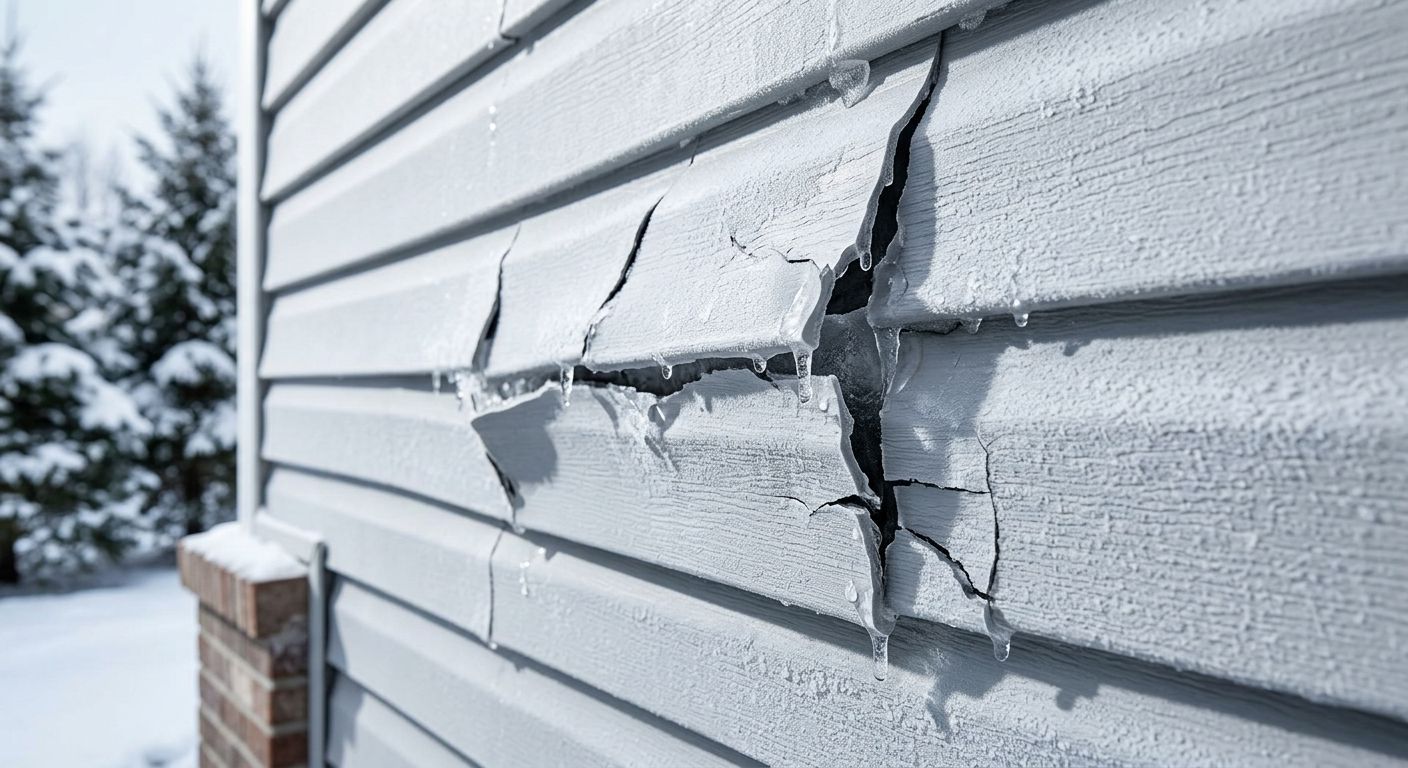
- Warping or buckling: Trim that has bowed out or pulled away from the wall is no longer creating a weathertight seal.
- Staining or discoloration: Dark streaks running down your siding from window corners often trace back to failed trim, not the siding itself.
Any one of these signs warrants a closer look. Multiple signs together mean it is time to act.
Why Princeton Homes Are Especially Vulnerable
Princeton's older housing stock is part of its charm. Many homes in the area feature original wood trim that has served for decades. But wood has a ceiling. New Jersey's seasonal humidity and damp winters are relentless. Older wood trim simply cannot handle it indefinitely.
Wood rot is one of the most common and expensive structural issues homeowners in this region face. Water penetrates cracks in aging wood trim. It rots the wood from the inside out before any visible surface damage appears. By the time you see the problem, the damage underneath is usually significant.
The Case for Composite Trim Upgrades
Many Princeton homeowners are making a smart switch. Instead of replacing rotted wood trim with more wood, they are upgrading to composite and fiber cement trim materials. The reason is simple: these materials do not rot.
Composite trim perfectly mimics the look of authentic wood grain. It carries the classic architectural character that suits Princeton's historic neighborhoods. But unlike wood, it is entirely impervious to moisture, decay, and pests. You get the aesthetic without the maintenance cycle.
This upgrade pairs naturally with fiber cement siding like James Hardie board. When the trim and siding materials are both moisture-resistant, you create a cohesive exterior system. It holds up against everything the mid-Atlantic climate throws at it.
How Trim Failure Damages the Rest of Your Exterior
Failed trim does not stay a trim problem. It becomes a chain reaction.
When water gets behind window trim, it soaks into the wall sheathing. From there, it can reach your insulation, your framing, and eventually your interior walls. In cold months, trapped moisture freezes and expands. That accelerates the deterioration. In warm months, it creates the perfect conditions for mold.
Gutter performance also plays a role here. Clogged or sagging gutters cause water to cascade directly down the side of the house. That runoff hits your window and door trim first. According to the 2026 Houzz Outdoor Trends Study, 48% of renovating homeowners upgraded their gutters, a jump of seven percentage points over recent years. Many of those homeowners discovered that failing gutters were the root cause of their trim damage.
What the Replacement Process Looks Like
A professional trim replacement is not a complicated job, but precision matters. Here is a general overview of the process:
- Inspection: The contractor evaluates the existing trim and checks for hidden moisture or rot in the underlying sheathing.
- Removal: Old trim is carefully removed. Any rotted sheathing or framing behind it is repaired before new trim goes on.
- Material selection: Homeowners choose composite, PVC, or fiber cement trim profiles that match the home's architectural style.
- Installation: New trim is cut, fitted, and fastened with proper flashing details to direct water away from the wall.
- Sealing and finishing: All joints and edges are caulked and primed. Exterior paint or stain is applied for a clean, finished look.
The whole process, done correctly, creates a tight, durable seal that protects your home for years.
Frequently Asked Questions
How do I know if my trim needs replacing or just repainting?
Run your fingers along the trim surface. If the wood feels solid and the paint is simply faded or chalky, repainting may be enough. If the wood feels soft, spongy, or hollow, or if you see visible warping, replacement is the right call.
Can I replace just part of my trim, or does it all need to go?
Partial replacement is common. A contractor will assess each section individually. Trim in shaded or low-drainage areas tends to fail first. You may only need to replace a few sections while leaving others intact.
How long does composite trim last compared to wood?
Composite and fiber cement trim materials are designed to outlast traditional wood by a significant margin. They resist moisture, insects, and temperature cycling without the need for frequent repainting or re-caulking.
Will new trim affect my home's historic appearance?
Modern composite trim is available in profiles that closely replicate traditional wood molding styles. For Princeton homeowners in historic neighborhoods, this means you can upgrade your materials without altering the character of the home.
Is trim replacement a DIY project?
Surface-level caulking repairs can be DIY. Full trim removal and replacement, especially when there is underlying rot or moisture damage, requires professional assessment and installation to ensure the new trim is properly flashed and sealed.
If your Princeton home is showing any of these warning signs, now is the right time to get a professional evaluation.
Reach out to Pro Siders Inc to schedule a consultation and protect your home's exterior from the inside out.