How Minnesota's Freeze-Thaw Cycle Destroys Siding (And What Princeton Homeowners Can Do About It)
Is Minnesota's Freeze-Thaw Cycle Destroying Your Home's Siding?
If you live in the Princeton, MN area, you already know that Minnesota weather does not play nice. Your home's exterior faces a punishment that most of the country never experiences: temperatures that swing more than 120 degrees across a single year, from brutal lows of -30°F in winter to sweltering highs near 95°F in summer. That is not just uncomfortable for the people living inside. It is a slow, relentless assault on your siding, windows, doors, and gutters.
For homeowners considering
siding replacement in Princeton MN, understanding how that cycle works and why the right materials matter could save you thousands of dollars in hidden damage down the road. The team at
Pro Siders Inc
has seen firsthand what Minnesota winters do to poorly installed or aging exterior materials, and this guide breaks down exactly what you need to know.
The Science Behind the Damage: What the Freeze-Thaw Cycle Actually Does
Here is what happens on a typical late-winter day in Princeton. Temperatures rise above freezing during the afternoon, melting the snow and ice sitting against your siding. That moisture seeps into any small crack, gap, or seam in the material. Then, overnight, temperatures plunge back below freezing. That trapped water expands as it turns to ice, forcing the material apart from the inside out.
Repeat that process dozens of times between October and April, and even siding that looked perfectly fine a few years ago starts to show the consequences: visible cracking, warping, buckling panels, and paint that peels away in large sheets.
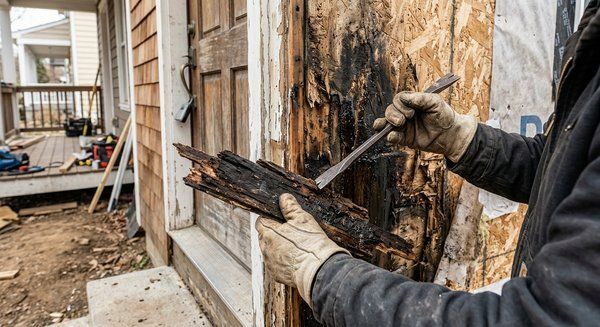
The hidden damage is even more concerning. Once water gets behind your siding, it reaches the wood sheathing underneath. Wood rot and mold can develop deep inside your walls, completely invisible from the outside until it has caused serious structural damage. By the time most homeowners notice a soft spot near a window frame or a musty smell in an exterior room, the repair costs have already multiplied significantly.
Why Material Choice Matters More in Minnesota Than Almost Anywhere Else
Not all siding is created equal, and that gap in quality becomes very obvious in a Minnesota climate. Lower-grade vinyl siding, for example, becomes brittle in extreme cold and is particularly vulnerable to cracking during the freeze-thaw cycle. It also lacks the structural integrity to resist wind-driven snow and ice.
Two materials consistently outperform the alternatives in cold-climate applications:
- LP SmartSide Engineered Wood: This product is treated with zinc borate and protective resins that resist moisture, fungal decay, and impact damage. It holds paint longer, flexes slightly with temperature changes rather than cracking, and provides a more natural, wood-like appearance that complements Minnesota's landscape beautifully.
- Fiber Cement Siding: Composed of cement, sand, and cellulose fibers, fiber cement is virtually impervious to moisture and does not expand or contract significantly with temperature changes. It is a premium, long-lasting choice for homeowners who want minimal maintenance and maximum durability.
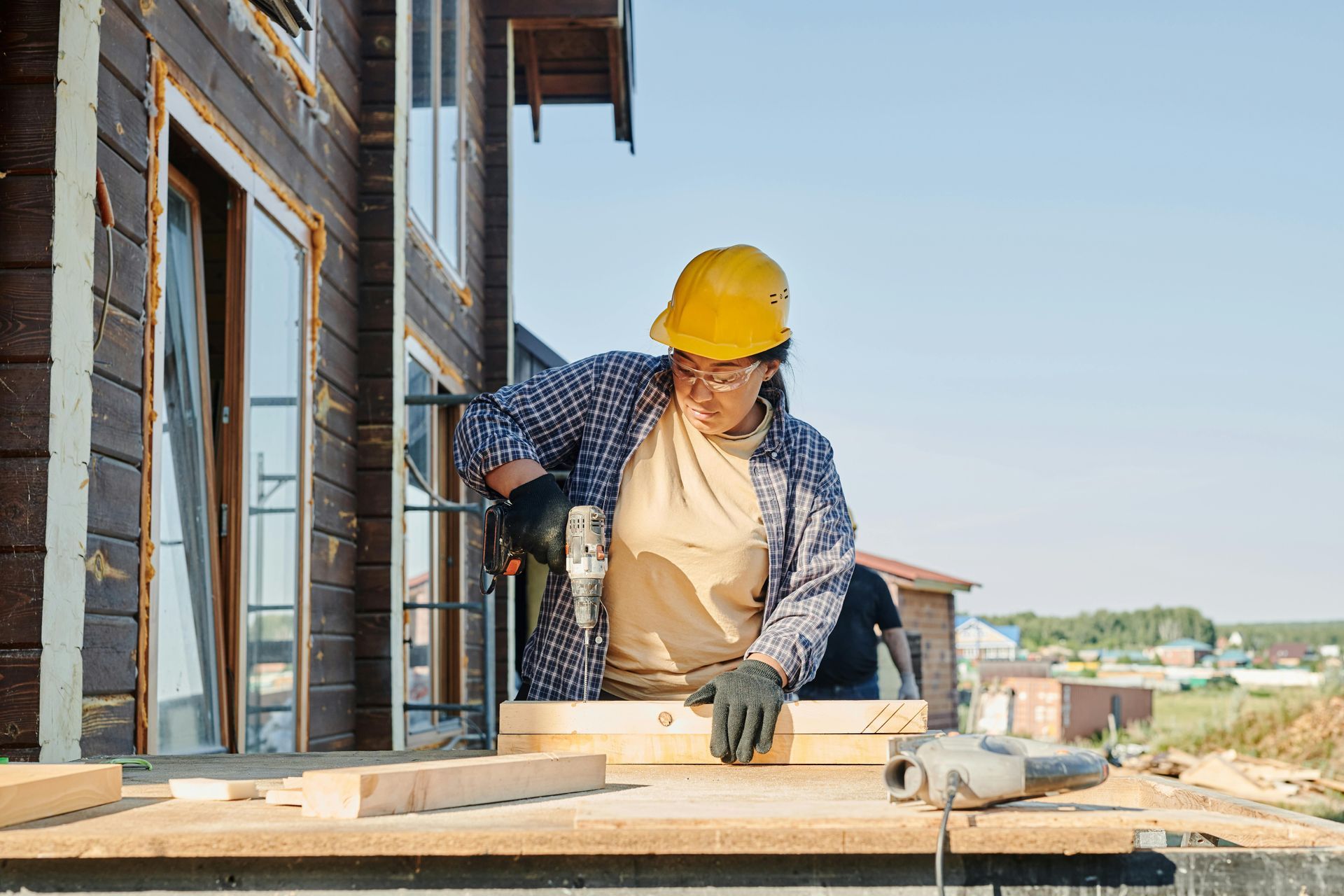
Choosing the right material is only part of the equation. Professional installation, including proper flashing around windows, doors, and roof lines, is equally critical. Flashing directs water away from vulnerable seams and prevents the pooling that leads to rot. Pairing new siding with a properly installed gutter system ensures that water is channeled completely away from the base of your walls, eliminating one of the most common sources of moisture intrusion.
The Financial Case for Acting Now
Beyond protecting your home from damage, replacing aging siding is one of the smartest financial investments a homeowner can make. According to the Cost vs. Value Report, siding replacement ranks among the top five home renovation projects nationwide, delivering an ROI of 80% to 113% or more depending on the material used.
Compare that to a kitchen remodel, which typically recovers far less of its cost at resale. Your home's exterior is the first thing buyers see, and faded, cracked, or warped siding immediately signals deferred maintenance. Updated siding paired with new window replacement and a fresh entry door can recover 97% to 188% of the door project cost alone.
There is also the energy efficiency angle. In cold-climate regions like Minnesota, poorly insulated exterior walls account for approximately 35% of a home's total heat loss. New siding installation is a prime opportunity to address "thermal bridging," where heat escapes through wall studs and uninsulated cavities. The U.S. Department of Energy estimates that updating your exterior with high-performance insulation and new siding can reduce annual energy bills by 10% to 20%. Over ten years, that savings adds up fast.
What Style Works Best for Princeton Homes Today?
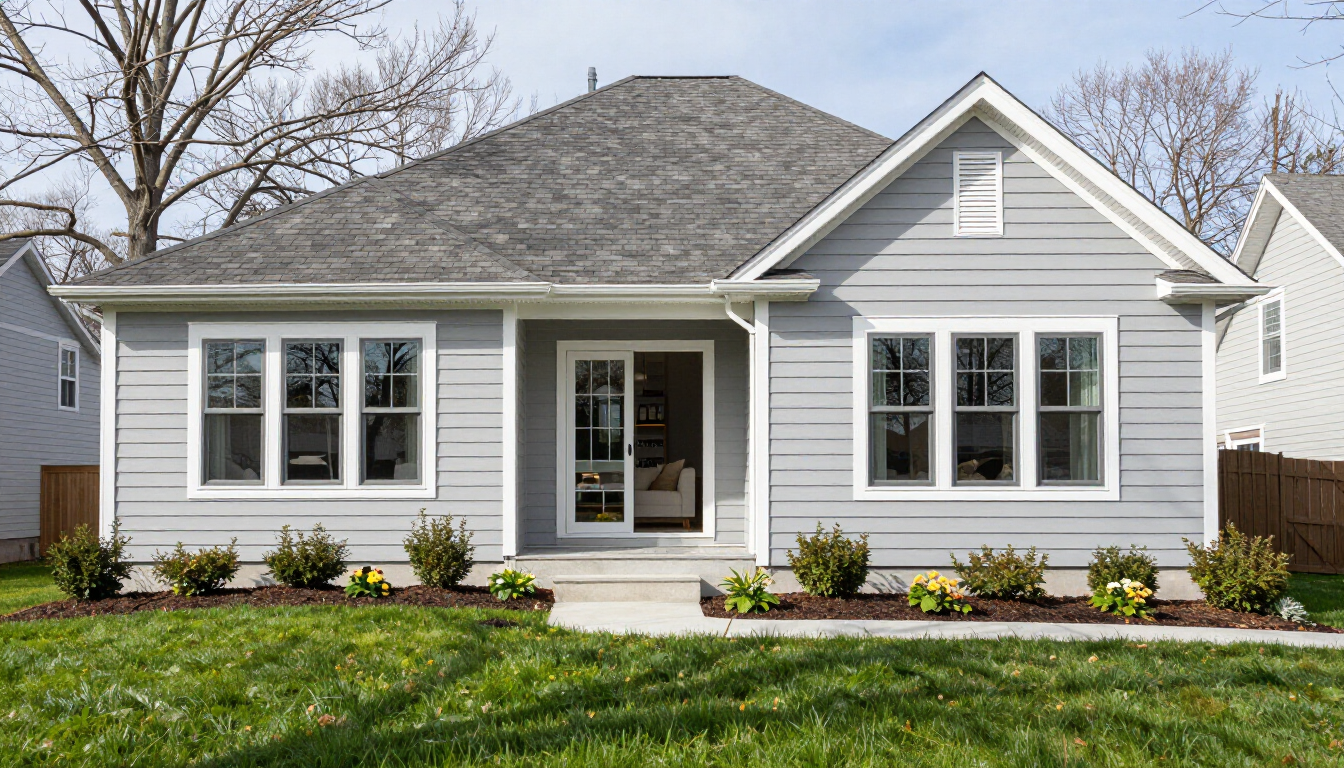
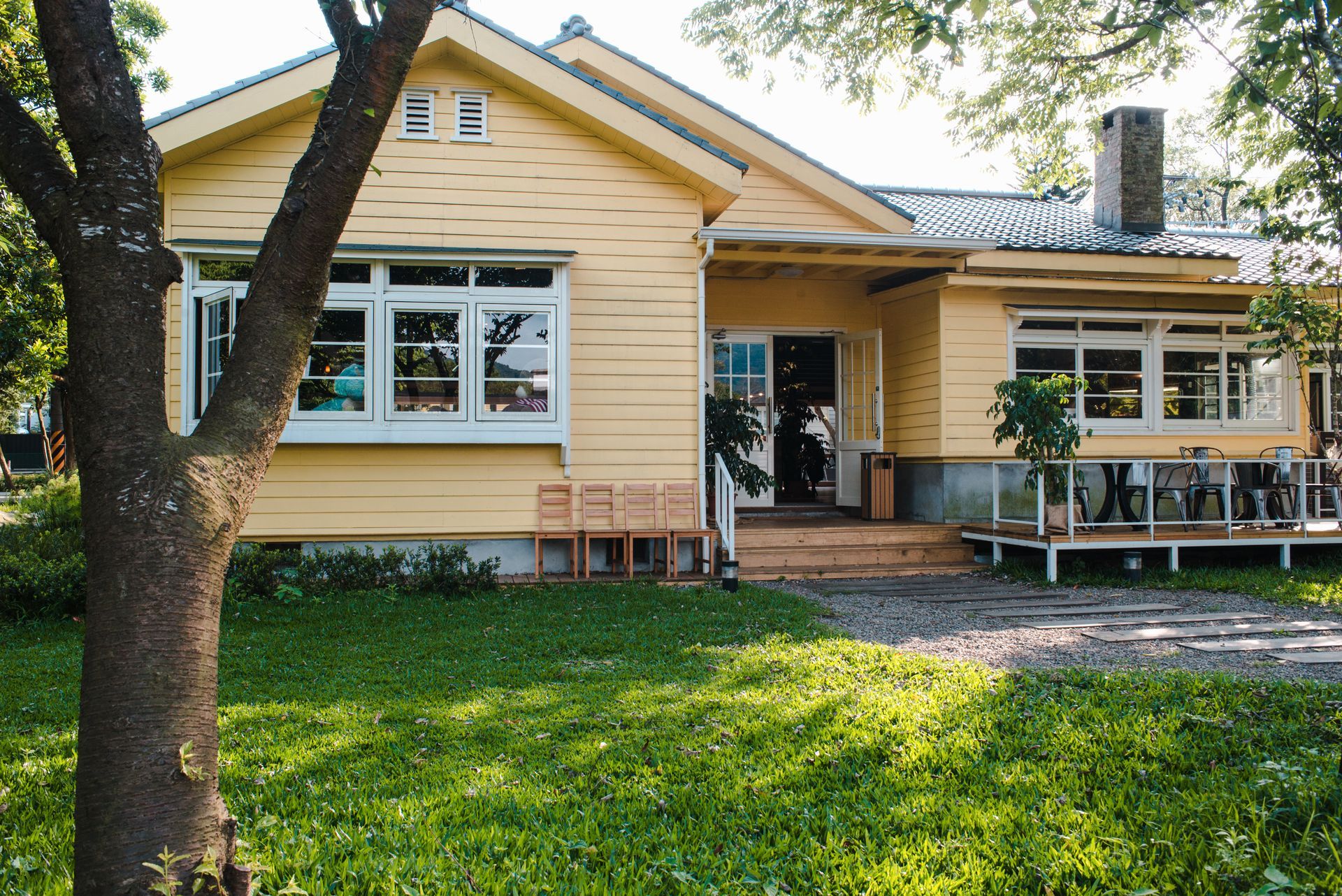
If aesthetics matter to you (and they should, given the ROI impact of curb appeal), the good news is that today's siding options are more visually compelling than ever. The design world has moved away from cold gray tones toward warmer, nature-inspired palettes: soft greiges, creamy whites, sage greens, and deep navies that echo Minnesota's natural landscape of pine forests, prairie grass, and fresh snow.
The "mixed materials" trend is also worth considering. Pairing traditional horizontal lap siding with vertical board-and-batten sections or shake accents creates depth and architectural interest that makes a home look custom-built rather than cookie-cutter. Check out the
Pro Siders Inc project gallery to see how these styles translate to real Minnesota homes.
Frequently Asked Questions
How do I know if my siding needs to be replaced or just repaired?
If you are seeing isolated cracking or a few warped panels, spot repairs may be sufficient. However, if damage is widespread, if you notice soft spots near the wall, or if your energy bills have been climbing without explanation, a full replacement is likely the more cost-effective long-term solution.
What is the best time of year to replace siding in Princeton, MN?
Late spring through early fall is the ideal window. Temperatures are stable enough for adhesives and caulks to cure properly, and your home is not exposed to cold snaps during the installation process.
Does new siding really help with heating and cooling costs?
Yes. When new siding is installed with added insulation and proper air sealing, homeowners in cold climates like Minnesota routinely see 10% to 20% reductions in annual energy costs. It is one of the most practical upgrades you can make.
Can I keep my existing windows when replacing siding?
In many cases, yes. However, siding replacement is the perfect time to evaluate your windows, since the exterior trim and flashing will already be disturbed. Replacing drafty or single-pane windows at the same time maximizes your labor investment.
Does Pro Siders Inc serve areas outside of Princeton?
Yes. Pro Siders Inc serves several communities throughout the region. Visit the service areas page to see if your location is covered.
Ready to Protect Your Home Before the Next Winter Hits?
Minnesota winters are not getting any easier. The best time to address failing or aging siding is before moisture finds its way behind your walls and turns a straightforward replacement into a costly structural repair. Whether you are looking to boost curb appeal, improve energy efficiency, or simply protect the investment you have made in your home, the right exterior upgrade makes all the difference.
Get a Free Exterior Estimate from Pro Siders Inc